You will generally be better off making for the Otway waterfalls in the period from late autumn to spring. The rainfall of those months has put some life back in the streams and the falls are more dependable. In winter one can expect the heaviest water levels; spring is where you find a good compromise with flowing water, more daylight and walking that is not as arduous. The trail’s vibrant moss and ferns make winter and spring visits especially rewarding.
There is no reason summer cannot do the job, especially if there has been rain of late, though some of the lesser cascades may be little more than a trickle. It is wiser to let the weather forecast, road and daylight conditions dictate which waterfalls to put on your list instead of going by the calendar. Oscar Hargreaves goes into the nitty gritty below and explains what tends to catch people unawares once they are off the Great Ocean Road.
Be Selective With Your Season
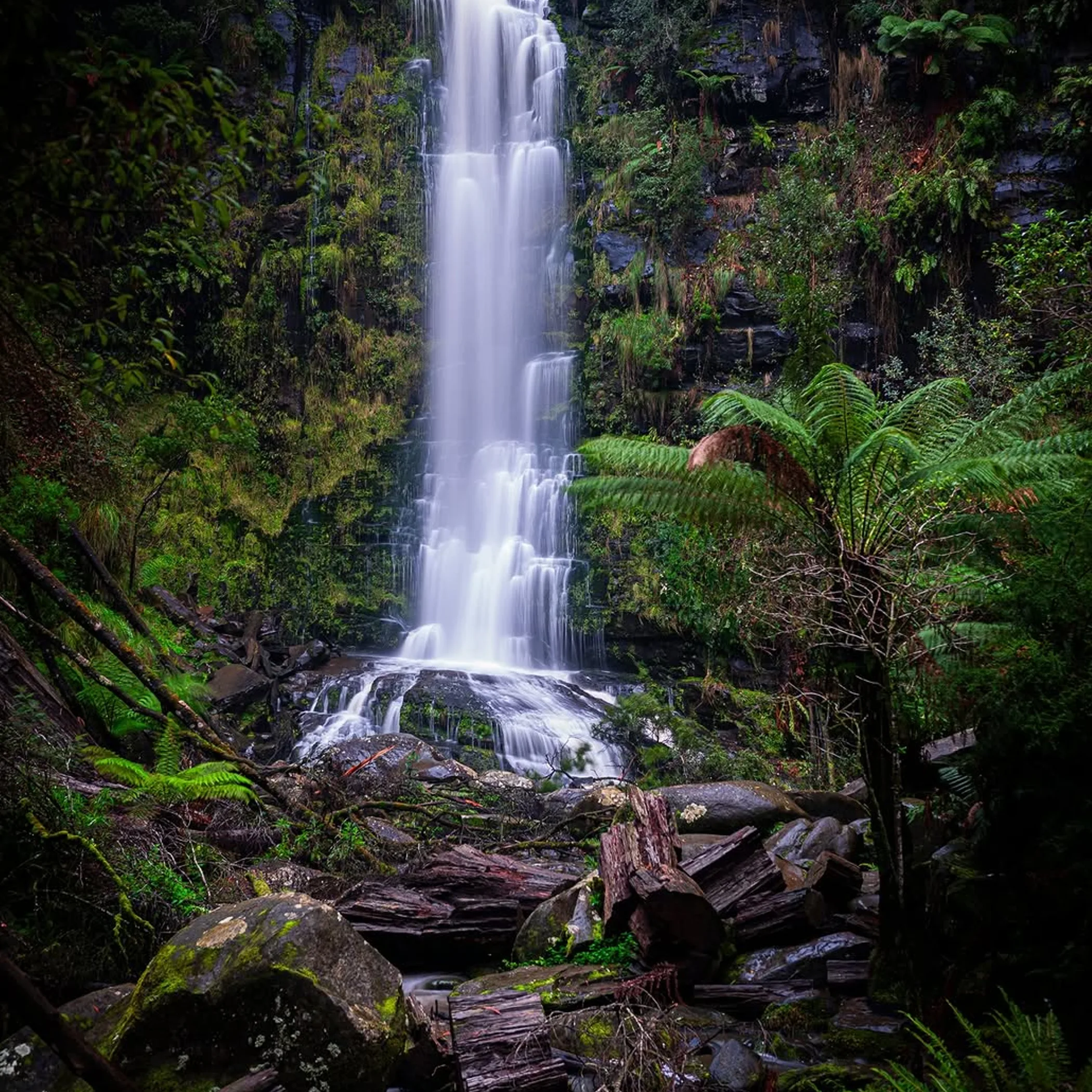
Regular rain is what makes for the lushness of the forests and the creek system in Otway National Park. But it also means things can turn on a dime. What constitutes the best season is a matter of preference: do you want the maximum flow or an easier track, a comfortable spot for photography or simply a quiet place to stand? See the Erskine Falls Great Ocean Road guide for more details.
Spring is the all-round option for most. If you are not put off by a jacket that will not dry, the cold wind and mud, then winter is fine for the dramatic water levels. The flexible traveller is well served by summer, provided he or she is prepared to check conditions before setting out.
It Is All About The Rainfall
Do not be swayed by the name of the season, a waterfall is at the mercy of recent rain. You could have more of a show in a wet week of summer than in two weeks of winter. Or a protracted dry spell will make smaller falls seem undernourished.
A word of advice before you drive into the Otways: see what the forecast has to say and any park alerts. Parks Victoria’s site for the national park is where to go for the official word on closures and access.
What The Seasons Do
The seasons do more than alter the volume of water, they change the forest colour, how firm the tracks are and how many others are vying for space on the viewing platforms. Many a visitor makes the mistake of treating the falls like a fixed roadside attraction. They are part of a wet forest and as such are subject to the elements, be it wind, a slippery step or a fallen branch.
Rainfall Is Key
Look at the last few days of rain to get an idea of the flow. Erskine and its ilk will put on an impressive display for longer but the smaller ones will be quite different after a couple of dry days. Then again, heavy rain can make access anything but easy. Unsealed roads get slippery, there is debris on the tracks and you may find the creek crossing is not to be attempted. There is little point in having more water if getting to the lookout is an exercise in bush driving.
How The Months Stack Up
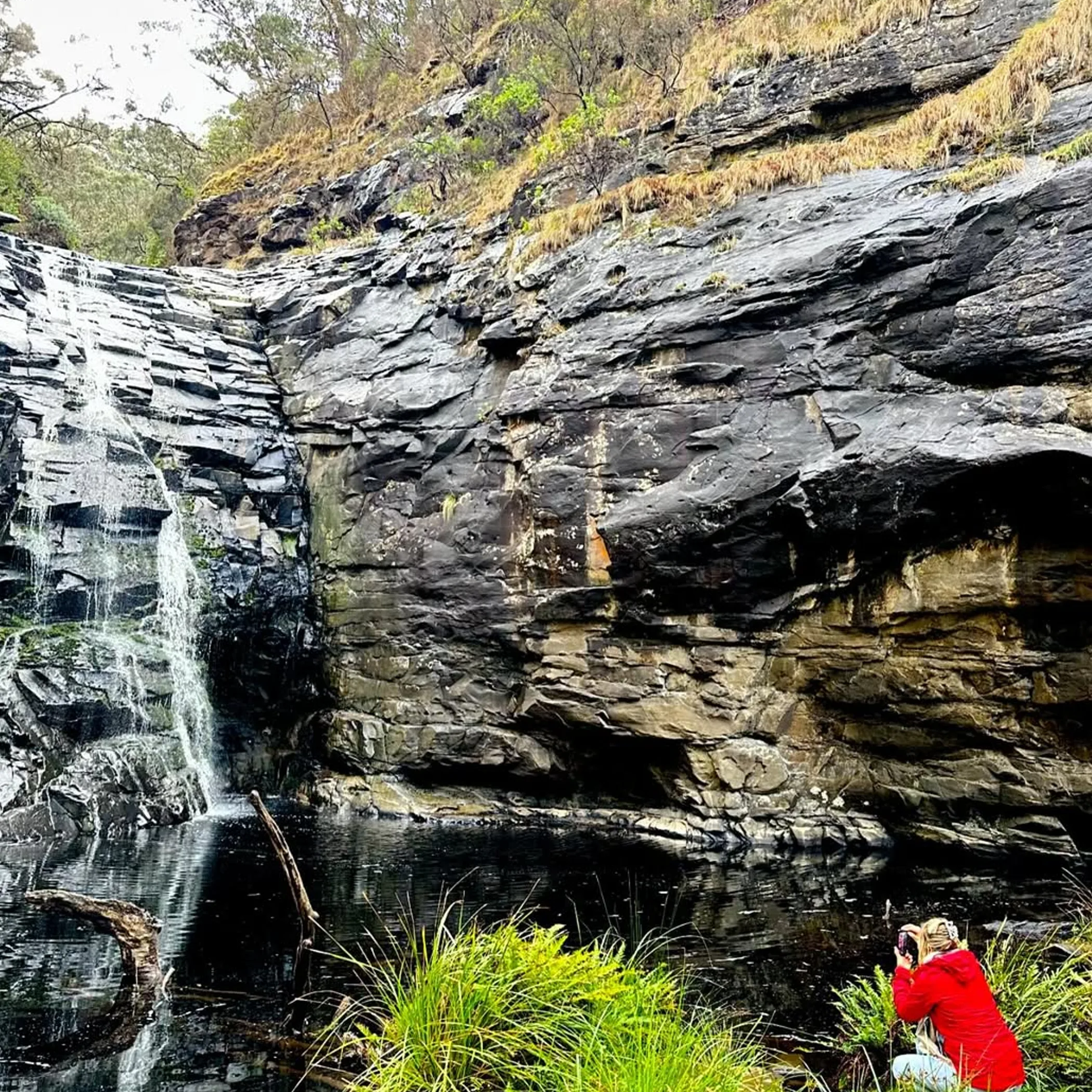
Use the table as a planning aid, not a guarantee. Weather in one valley of the Otways can be at odds with another so consult the current forecast and any updates from Parks Victoria.
| Period | Water Levels | Track Conditions | Crowds And Use | Best For |
|---|---|---|---|---|
| Summer | Variable, best after rain | Firmer as a rule, some dust and leaves | Weekends and school holidays are busy | A flexible day trip, photography |
| Autumn | Reliable enough after the seasonal rain | Easier and cooler than in winter | Calmer for the most part | Forest colour and balanced conditions |
| Winter | At their strongest | Muddy and wet in spots | Quiet, save for the popular lookouts | Moody photography and powerful flow |
| Spring | Healthy following the winter rain | Muddy at times, improves later on | Moderate, busier at weekends | The mix of light, flow and access |
For Most, A Compromise
Late autumn and spring tend to be the most agreeable. One has a fair chance of decent water without having to put up with the worst of the cold and wet.
If you want to avoid the crowds, come on a weekday and early. At some of the small lookouts a single minibus can make the area as crowded as a sardine tin.
Making Summer Pay Off
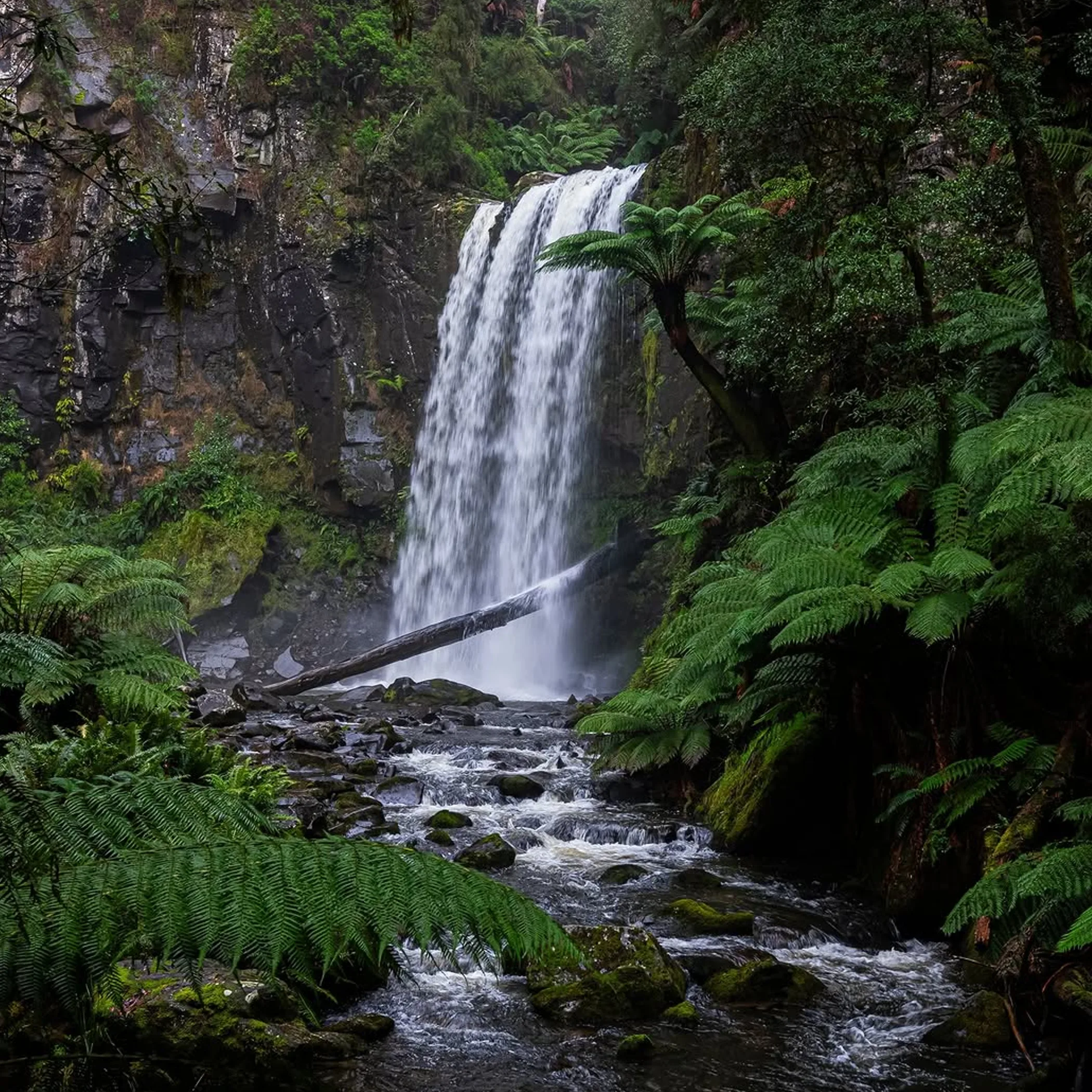
The Great Ocean Road waterfall season is not over in the summer, it is just a case of timing and not expecting too much. Some recent rain will bring them back but a dry spell will whittle the smaller streams down to ribbons. The long days are good for fitting in a coastal stop with the waterfalls, though they have a way of tempting one to overdo it in a day. One would be hard pressed to get through the Otways as quickly as a map has you think, with roads that wind and lookouts that put an unnecessary stop in your path.
Summer Strengths And Traps
The warmer of the season makes for a leisurely return and less thought about what to wear. For those inclined to put in a day at Erskine Falls and then on to Lorne or Apollo Bay, some other Great Ocean Road destination, summer is fine.
Do not be taken in by the notion that warm weather equates to dry tracks; that is the trap. A rainforest track in the shade will be slick from any rain, and the wind can still be up on an exposed platform. Put water, a light waterproof and insect repellent in your pack. The mozzie is not concerned with the month.
Making the most of Autumn and Winter
If water levels are what one is after, autumn and winter are best. The Otway Ranges waterfalls have a way of being quite a sight in the winter when there has been steady rain, the streams running fuller and the roar in the forest more pronounced.
Preparation is key in these seasons. I have had occasion to misjudge an Otways walk that looked short enough after a night of rain. It was not so much the distance but the mud and the need to place one’s feet carefully on roots that made of it a proper outing.
Winter Rewards And Risks
Photographers will find the light better in winter, the forest less harshly lit. There is a quieter feel to the tracks and the falls put on more force.
Then again, one should factor in more time for the road and walking on wet ground. Good gripping shoes are called for and it is wise to keep a dry layer in the car. Do not put yourself near an unstable edge for the sake of a photo. When the forecast calls for wind or heavy rain, be conservative with your plans and put off the more out of the way tracks.
A Spring Visit
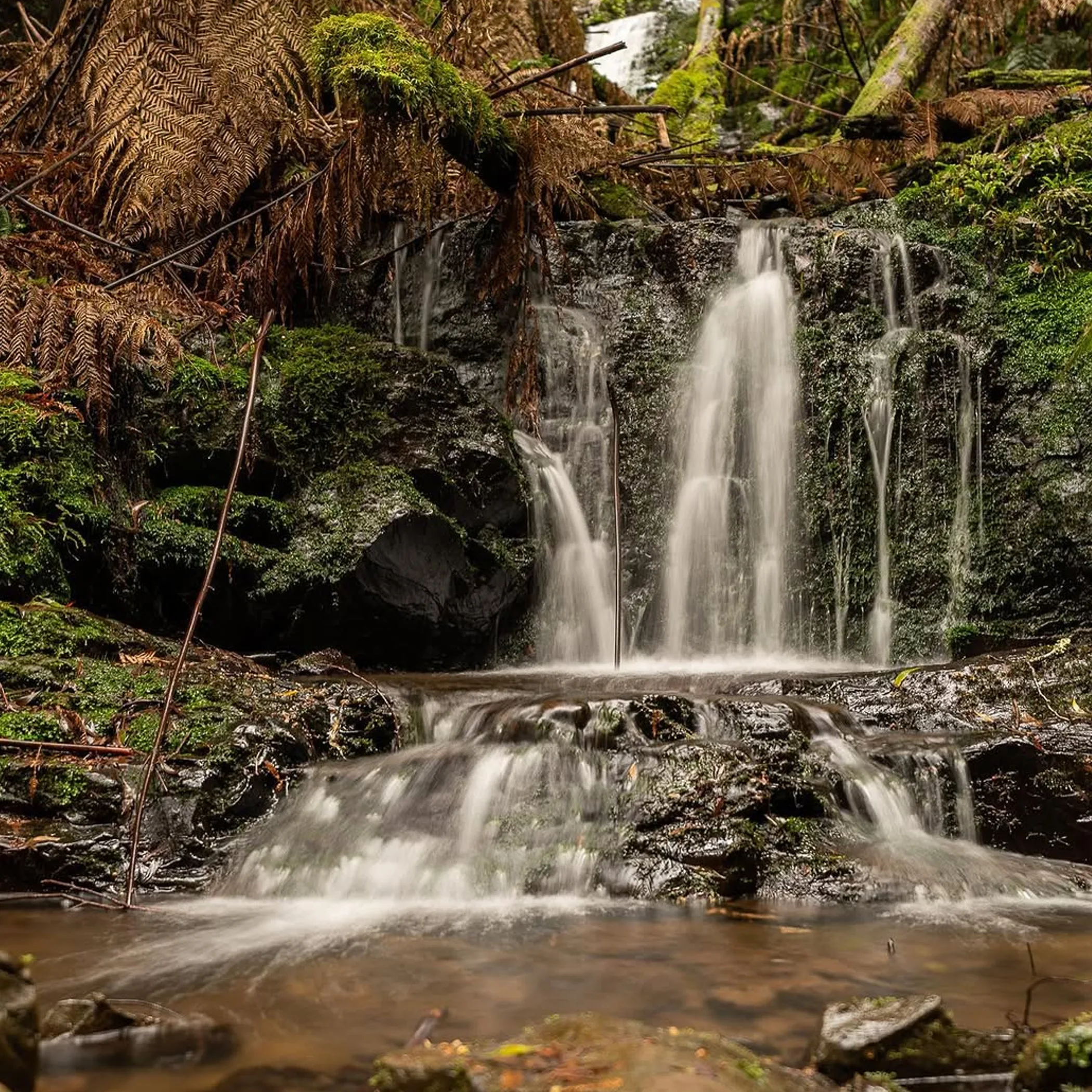
First timers will do well to come in spring. Daylight is ample for a sensible circuit of the waterfalls and the forest is fresh with healthy water levels.
Yet the weather is changeable. A morning of blue skies is no assurance of a dry afternoon in the rainforest. Pack for all four seasons and take the forecast for what it is, not some kind of binding contract.
How to put together a day
Make a major waterfall your first port of call and only put in a second if the roads and tracks are co-operative. Many make of Erskine Falls the anchor of their itinerary on account of its proximity to Lorne; with Beauchamp, Hopetoun and Triplet Falls you have to plan more deliberately in the Otway forest.
For a concentrated visit to a waterfall, figure on two to three hours to cover the driving between access points, the parking, the walk to a lookout and time for photos. A wider route with a few walks and some coastal views and meals will run six to eight hours with ease.
Choosing Your Waterfalls
It is a matter of what you have time for and how you stand the wet; there is no one size fits all. Those wanting a quick lookout are not going to have the same day as someone intent on following several forest tracks. The Erskine Falls guide for the Great Ocean Road is handy for a Lorne excursion, but the rest of the National Park has its own conditions.
What you will find at each
Erskine Falls is good for a shorter trip from Lorne but the stairs and surfaces can make the way back stiffer than you might like. For a forest walk and not just a viewing platform, go to Beauchamp Falls. In the western Otways, Hopetoun Falls is a sound option, while Triplet Falls is more of an undertaking with its old-growth setting. Do check on access though, a name does not mean the road is open.
Some safety in planning
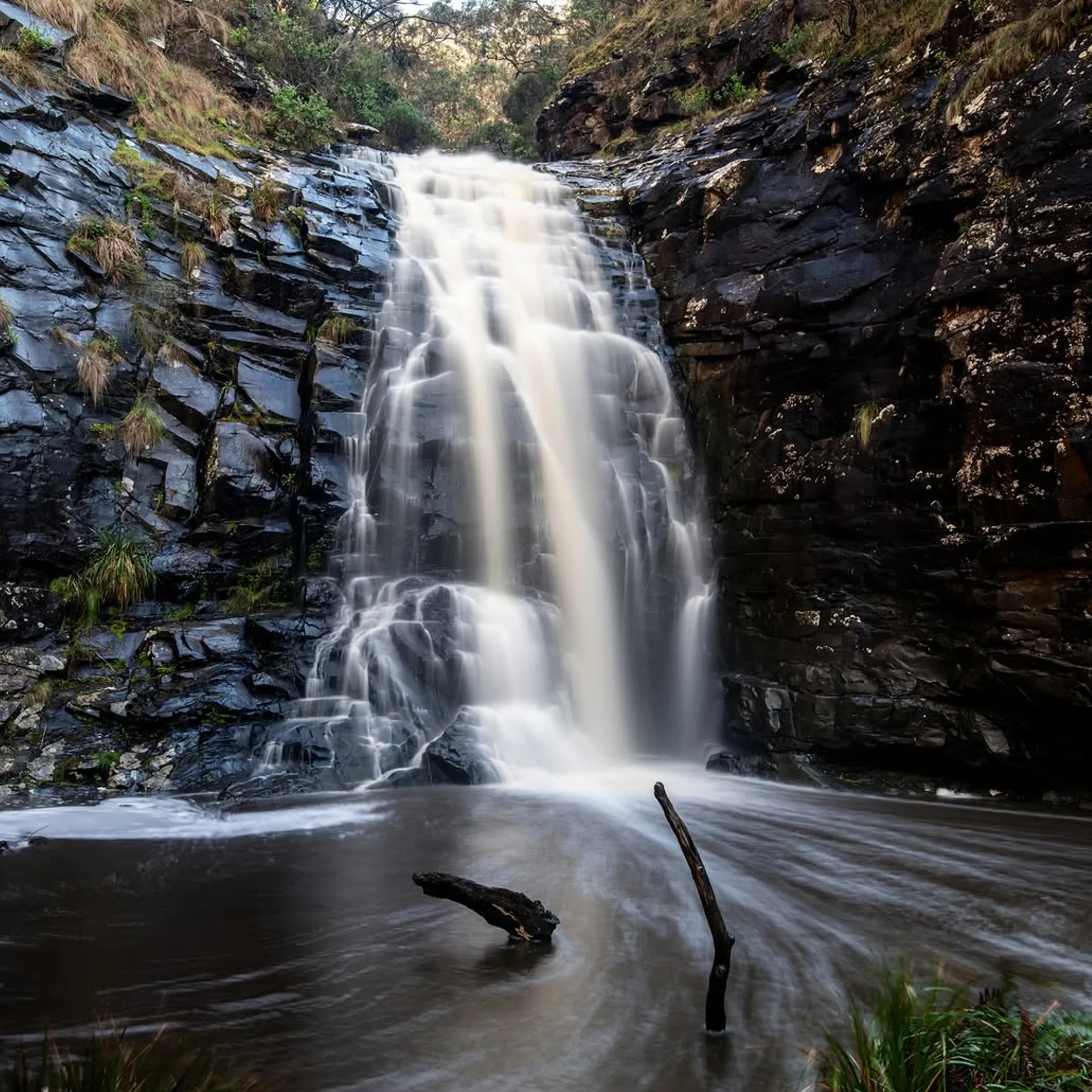
There is nothing extraordinary about it: let someone know where you are headed, have your directions downloaded while you still have reception and resist the urge to tack on a remote track because you have “loads of time”. That has put an end to more than one optimistic day out.
Keep a paper copy of the route or offline maps in case the mobile gives you trouble in the forest. Build in a little leeway for slow traffic, a parking delay or the odd closure.
Practical checklist
- Before you leave, see what the roads and weather are like and any park alerts.
- Have a pair of shoes with grip and a waterproof to throw on.
- See that you have a charged phone, first-aid kit, insect repellent and provisions.
- Make sure to remain on this side of the barriers and put some distance between yourself and any cliff edges, fast water or rocks that are slick.
- Do not put off your return until after dark; it is best to steer clear of tracks you do not know well in the late afternoon.
Time and Money
One should not make of a waterfall a five-minute detour at no cost when planning a day out. Factor in fuel, a meal or a stop at the café. You will want to set aside some AUD 30 to 60 per head for provisions (fuel not withstanding) whether you are buying in or have packed lunch.
Accommodation in the western Otways, Lorne or Apollo Bay is subject to weekend and seasonal fluctuations. It is prudent to book in advance for the school holidays. And once in the forest public transport is of little use; a private car, a transfer or an organised tour is generally the way to go.
Setting a One-Day Agenda
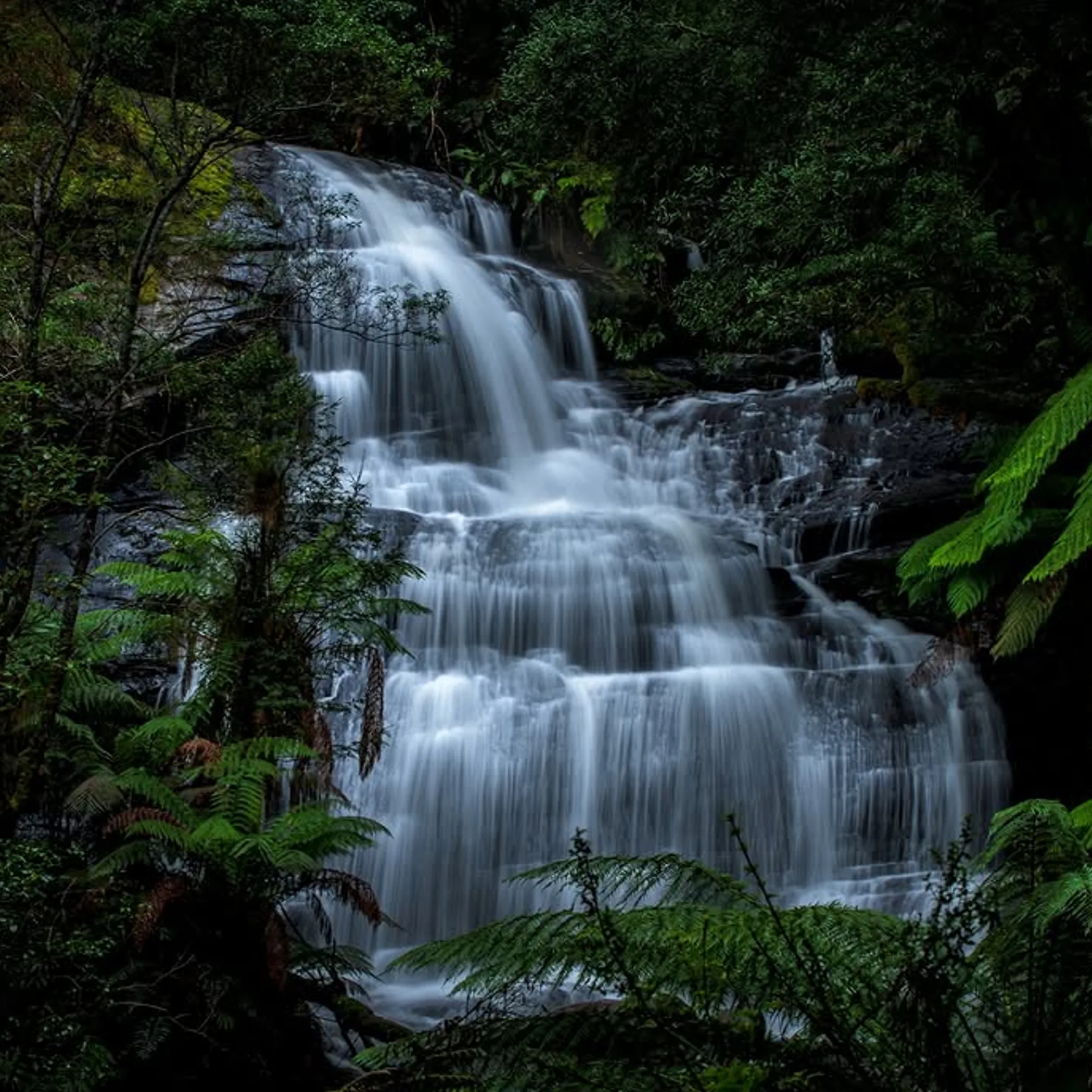
There is no point in going about like you are collecting fridge magnets if you have but a single day. Pick a cluster of falls from where you are and according to how much walking you are in the mood for and the rain recently.
- Erskine Falls would be the one to put first from Lorne, making time for something on the coast.
- For a more thorough forest experience, go with Beauchamp or Hopetoun and leave the balance of the day open.
- Triplet Falls is good for a more involved and quiet affair, provided you have checked the roads and access.
Not everyone will find these outings to their liking, particularly those requiring level ground and regular facilities. They are for those who do not mind mud, stairs and the vagaries of the weather. A beginner can have as good a time in the Otways by taking a shorter walk to a lookout and turning back before it gets uncomfortable.
Some Answers To Your Planning Questions
Travellers putting together a Great Ocean Road waterfall day tend to ask me the following. The answers below will do, but let the forecast and what is accessible be the arbiter.
What is the season for the Otways?
All told, spring is the most agreeable with its longer days and better footing as well as the water flow. Winter is for those who want the maximum in water and do not care for dry tracks; summer is fine if you can get there in the wake of some rain.
Will the waterfalls be running in the summer?
They will, though the larger ones may keep up through a dry spell whereas the smaller cascades will not. Do not assume they are all full, look at the conditions.
How much time is needed?
An hour or two for a single waterfall, driving and parking and the odd photograph included. Figure on six to eight hours for several stops, coming off the coast and with wet tracks to contend with.
Is Erskine Falls open all year round?
For the most part you can get to it, then again a storm or some work on the track or a safety closure will see that change. Do not rely on something you read on social media, check the park’s official information.
What to wear on the Great Ocean Road?
A waterproof jacket and some shoes with a grip, comfortable layers. Long trousers are useful against the scrub and insects. After a muddy path you will be thankful for the small luxury of a spare pair of socks.
In the Otways
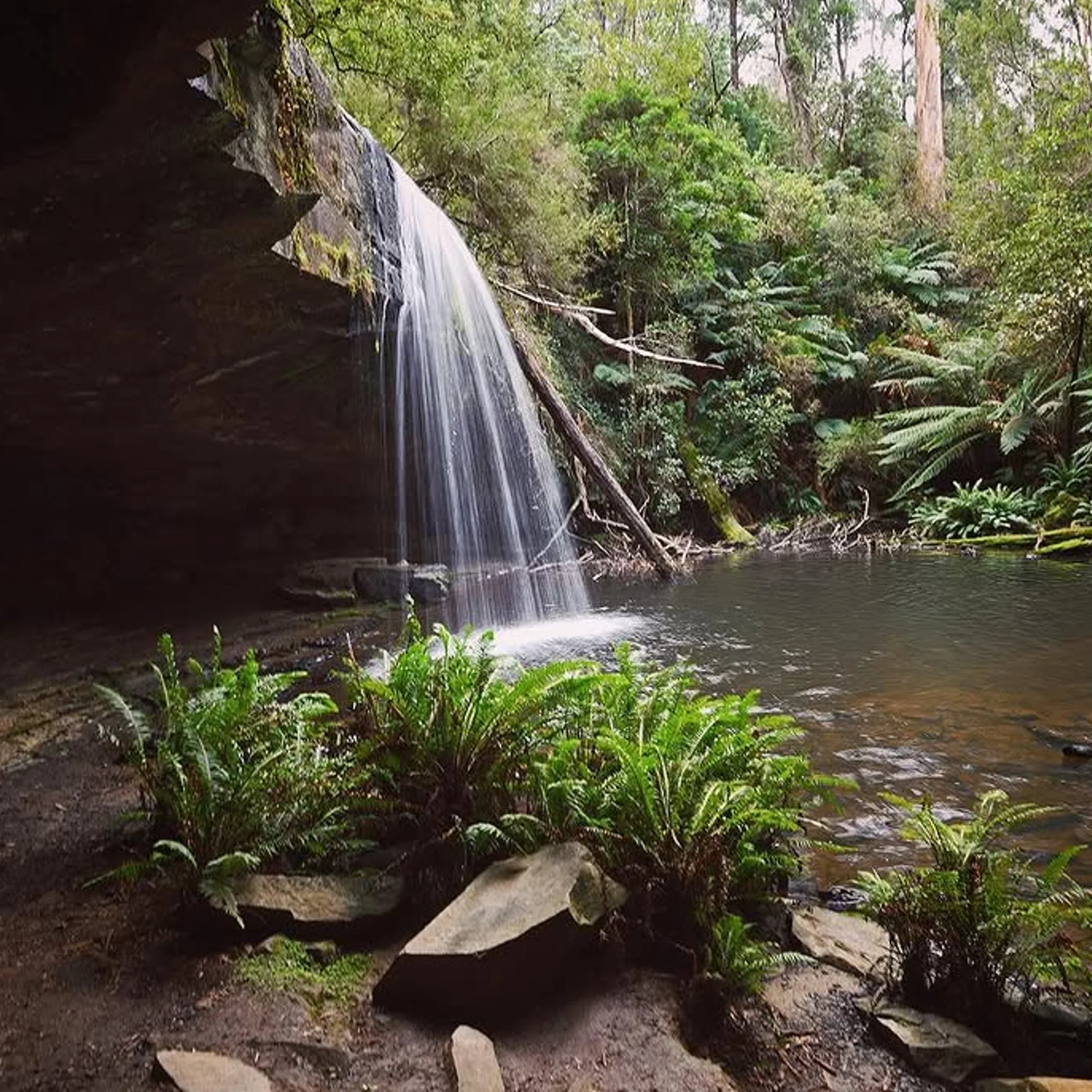
When it comes to the Great Ocean Road waterfalls, visit when the conditions and your own priorities align. Spring and late autumn have the best of both worlds for most. Or winter for the powerful flow if you are so inclined, or a flexible plan in the summer after the rain has passed.
Before you set out, check on visitor safety, the state of the roads and tracks, the daylight and the water. Then make allowance for the kind of thing that puts a memory in a day: a bakery, an unanticipated shower, a quiet bit of forest and a lookout you did not need to see but are pleased you did.
