Put simply, it is to avoid the harm to clients and infection risks to staff that bad hygiene brings, not to mention the way it can put a business out of commission quicker than a one-star review and a botched haircut put together. Maintaining standards in a salon is about more than following best practice on a day to day basis; it is to ensure client safety, be in keeping with the law and engender the kind of trust that has people returning.
I am Oscar Hargreaves and anyone who has seen how fast news gets around in hospitality will tell you the beauty world is no different. A client will let a late appointment go but not a salon with a grubby feel to it. There is no point in window dressing when it comes to maintain standards of hygiene; it is the very foundation of sound business and proper sanitation.
The Reality Of Hygiene
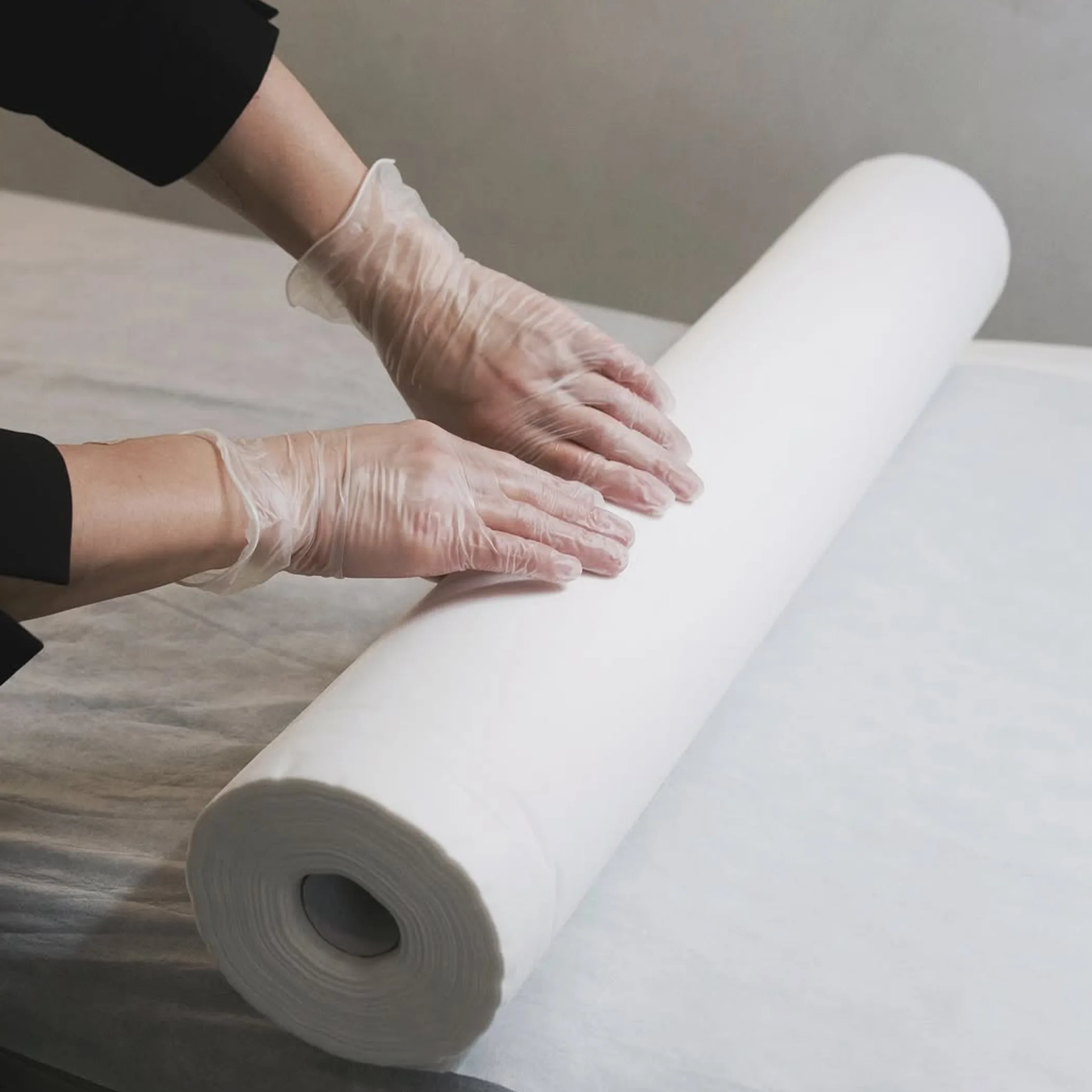
One does not just wipe down a bench and be done with it. Proper standards mean there are protocols in place for everything from hands and linen to waste and treatment areas so that nothing unsavoury makes its way to the next person in the chair.
There is also a distinction to be made between cleaning, disinfection and sterilization. As I would say, a salon can be tidy enough to see, yet a hygienic one will have systems at work behind the scenes even on a Saturday when it is as full as a sardine tin.
Cleaning And Disinfection
You clean to get rid of the visible dirt and product residue. That has to come first in order to maintain standards, for all that grime will impede a disinfectant. Then you have disinfection to put an end to micro-organisms on your trolleys, benches and non-porous tools. This includes wash basins and reusable implements, assuming you follow the directions for dilution and contact time.
High-Risk Items And Sterilization
Sterilization is another matter entirely; it obliterates microbial life and is called for with tools that might break the skin. A salon should be aware of what services present a greater burden in terms of infection control, be it nicks or cuticle work or the risk of bloodborne pathogens.
Do not make the error of treating every tool the same. Depending on the service and public health rules in the area, some things are single-use, others are disinfected and some must be sterilised or reprocessed commercially.
Client Safety Is Paramount
Clients want to come away with better skin or neater brows, not an inflamed rash or a fungal infection. Infection control is there to stave off cross-contamination from surfaces, water, products and the like.
When you are exfoliating or clipping, handling skin up close, the rules change. I have found over the years that where there is heat or moisture or a sharp instrument involved, preventing infection is the whole game.
Risks To Be Aware Of
Bacterial and viral infections, eye irritation, and in a worse case scenario exposure to a pathogen from a cut client are all possibilities. Staff should operate under the premise that any breach of the skin, however small, is a risk.
Pedicure basins warrant particular care given the damp conditions that microbes like. Filters and jets need to be put through their paces on a regular schedule or one is inviting trouble.
Where People Go Wrong
They will tell you “it was safe” because it looked clean. But to be hygienic you have to attend to what is not on show: the contamination on a pump bottle or in the hinges, or a towel put to rights but not laundered properly.
Then there is the habit of refilling a container without a clean out first. It is a minor thing but it can compromise personal hygiene and open the door to the cross-contamination most operators would have thought would only happen to someone else.
Rules, Licensing and Inspections
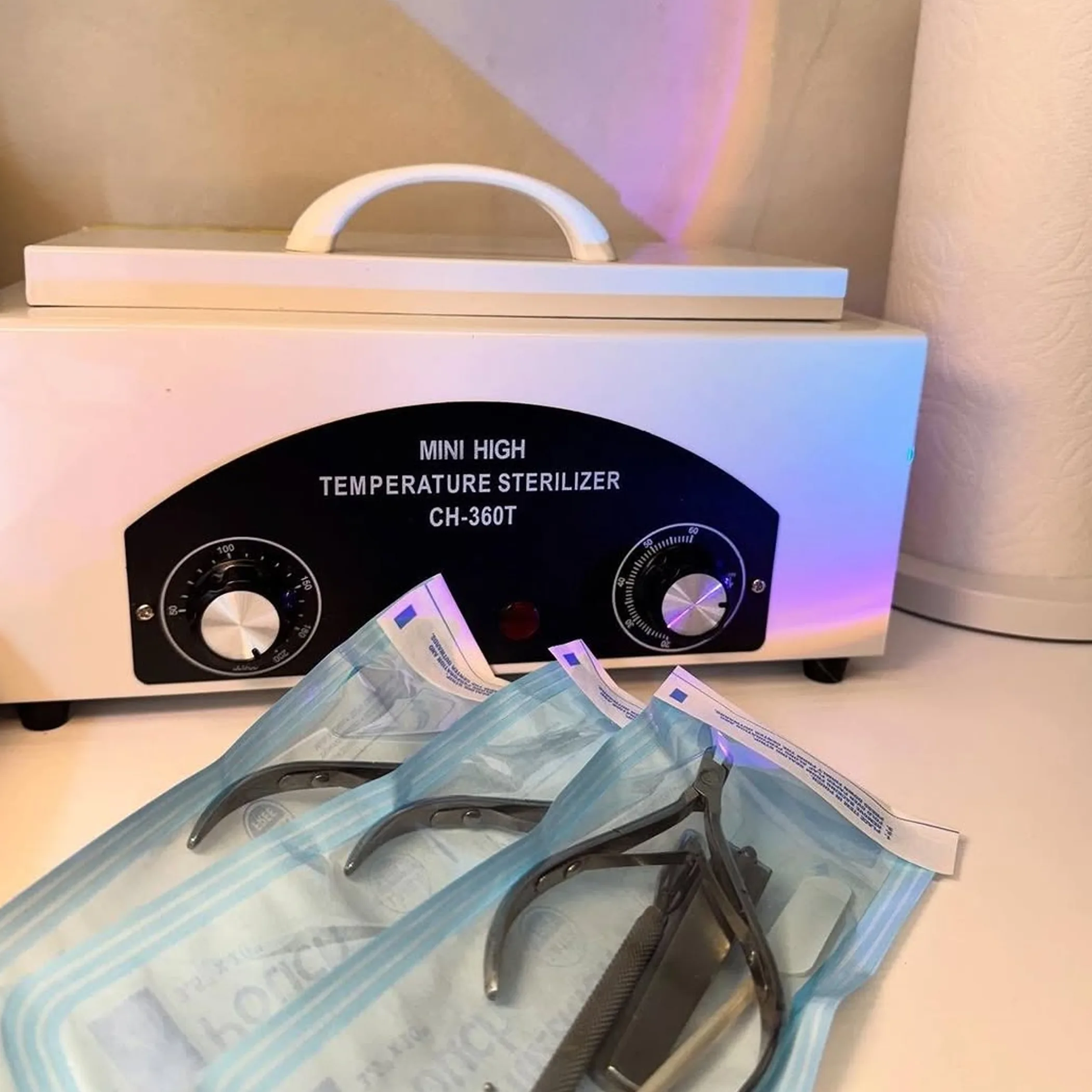
The law has a bearing on this too. In Australia salons are obliged to adhere to public health stipulations of the state or locality in respect of skin penetration and other beauty work that carries risk, as well as infection control and workplace health and safety duties, if they are to keep up their hygiene standards.
What is required will vary with the service being offered and from one council or state to another; an operator would be wise to consult the rules in force locally and not put faith in training notes of yesteryear. As for work health and safety, one can do no better than start with Safe Work Australia’s pronouncements on such matters as PPE, hazardous substances and the management of risk.
Compliance In Practice
One does not see a salon fail an inspection over some dramatic lapse. What is called for are staff who can put you at ease by explaining their methods, alongside the proper laundering, storage and labelling of products and documented routines.
Many a business gets into trouble here. The disinfectant may be of the right sort but unless there is someone on hand to tell you the mixing protocol or how long the contact time should be and the like, cross-contamination will not be kept at bay when it comes to the real world.
Where To Get Trained
There is plenty of industry education to be had from GoodSalonGuide, Advance Beauty College, PJ’s College of Cosmetology, Campus, GoodCall, BraidsofKaty, Qosmedix, Suplery, SalonSmartz and others. Consider them supplementary, however. Before altering any procedure, make sure their counsel is in line with what Australian regulators expect. You can not be too careful with overseas material which might be based on different legal assumptions or nomenclature; Oscar Hargreaves would not put his trust in a road sign in the bush without a glance at the map and the same goes for advice on salon hygiene.
Trust, Reputation and Repeat Business
Owners have a tendency to underestimate what clients put in their sights. A professional demeanour is conveyed by a tidy station, fresh linen, clean treatment beds and tools put away properly, and by staff who sanitise their hands without making a show of it.
They might not be able to name the process of tool disinfection but they can tell a place that is careful. And if that trust is lost, good luck getting it back, particularly with the likes of local Facebook groups and word of mouth to contend with.
The Cost of Being Lax
Let your hygiene slide and you open yourself to re-dos, refunds, complaints, absent staff, and possibly regulatory action. It is more economical to maintain standards. Then there is the matter of retention: a client who feels safe will put in for another booking or put in a good word for you. That is the unheralded commercial worth of having competent people on hand rather than just marketing.
For Your Staff
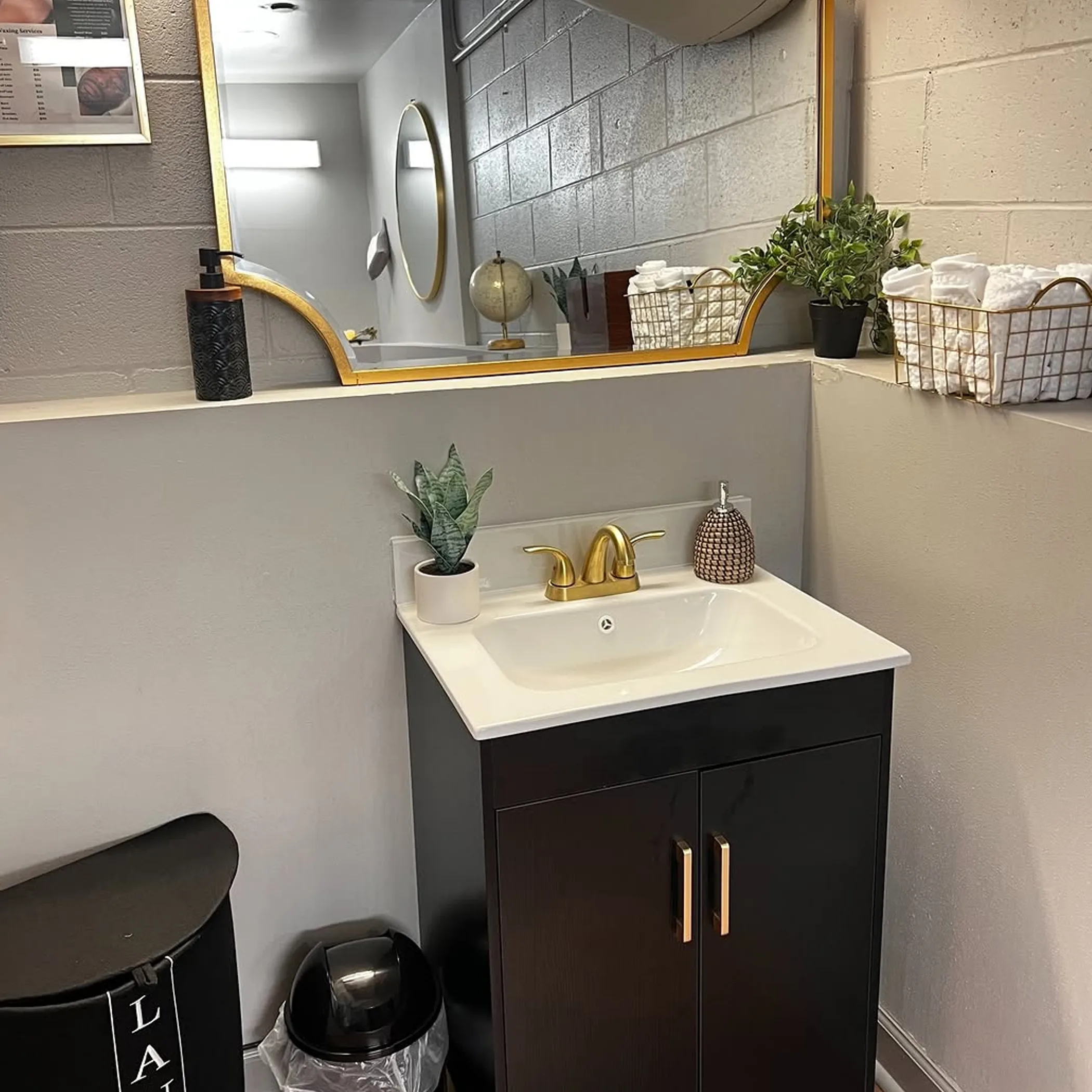
Hygiene is not solely a client concern. It is what shields employees from the odd sharps injury, respiratory exposure or irritation of the skin from repeated contact with contaminated things. The risks add up in a busy salon. Oscar Hargreaves has seen in other fields how small shortcuts become de rigueur before you know it and then nobody sees the hazard until there is an accident.
On The Job
In the way of personal hygiene we are talking about covered cuts, short nails, clean uniforms and washing up, and staying off the job if infectious illness is a possibility. Do not confuse a neat appearance with hygienic practice. If the service calls for it, you will need gloves, aprons, eye protection or a mask. It is no drama, simply a means of limiting exposure to bodily fluids, chemicals and so forth.
Training Of Substance
Make it specific and you will get results. All staff ought to be clear on the cleaning roster, how to handle an incident, what to do with a tool that has been dropped or used on broken skin. Too many salons make the mistake of a verbal instruction and let it go at that. Have written procedures and spot checks in place so that when the senior therapist is not there the standards do not vanish.
Stick To The Essentials
To have hygiene standards that can take the pressure, concentrate on the basics. For every service there is a sequence to follow in order to maintain standards: clean hands, set the area, use unsoiled tools, put the waste where it belongs and reset the station, all the while avoiding recontamination.
It is self-evident, yet on a busy day the most obvious of matters are prone to wobble. One has to make hygiene second nature so that when two clients put in an early appearance and the phone is off the hook, no one is left to “remember” what to do.
Best-Practice Actions
Before and after you have dealt with a client, hands are to be washed or sanitised.
Non-porous tools must be cleaned and disinfected in accordance with the manufacturer once they have been put to use.
There is no point keeping single-use items; if the service calls for them, dispose of them.
An appropriate hot wash and dry is required for any linen or towels between clients.
Make sure high-touch points are disinfected, from the door handle and taps to the EFTPOS machine, benches and chairs.
To avoid cross-contamination, keep used and clean tools apart.
Have a cleaning schedule on record covering daily, weekly and in-between-client duties.
Expectation Versus Reality
You might think a quick spray will do the job. In reality, upholding your standards of hygiene demands a surface that has been cleaned, the right product, sufficient coverage and contact time.
Staff are not expected to “just know” the rules of hygiene. Infection prevention is a matter of systems, not mind reading, whether in a hotel, museum or salon where people share equipment and space.
Service-Specific Risk Points
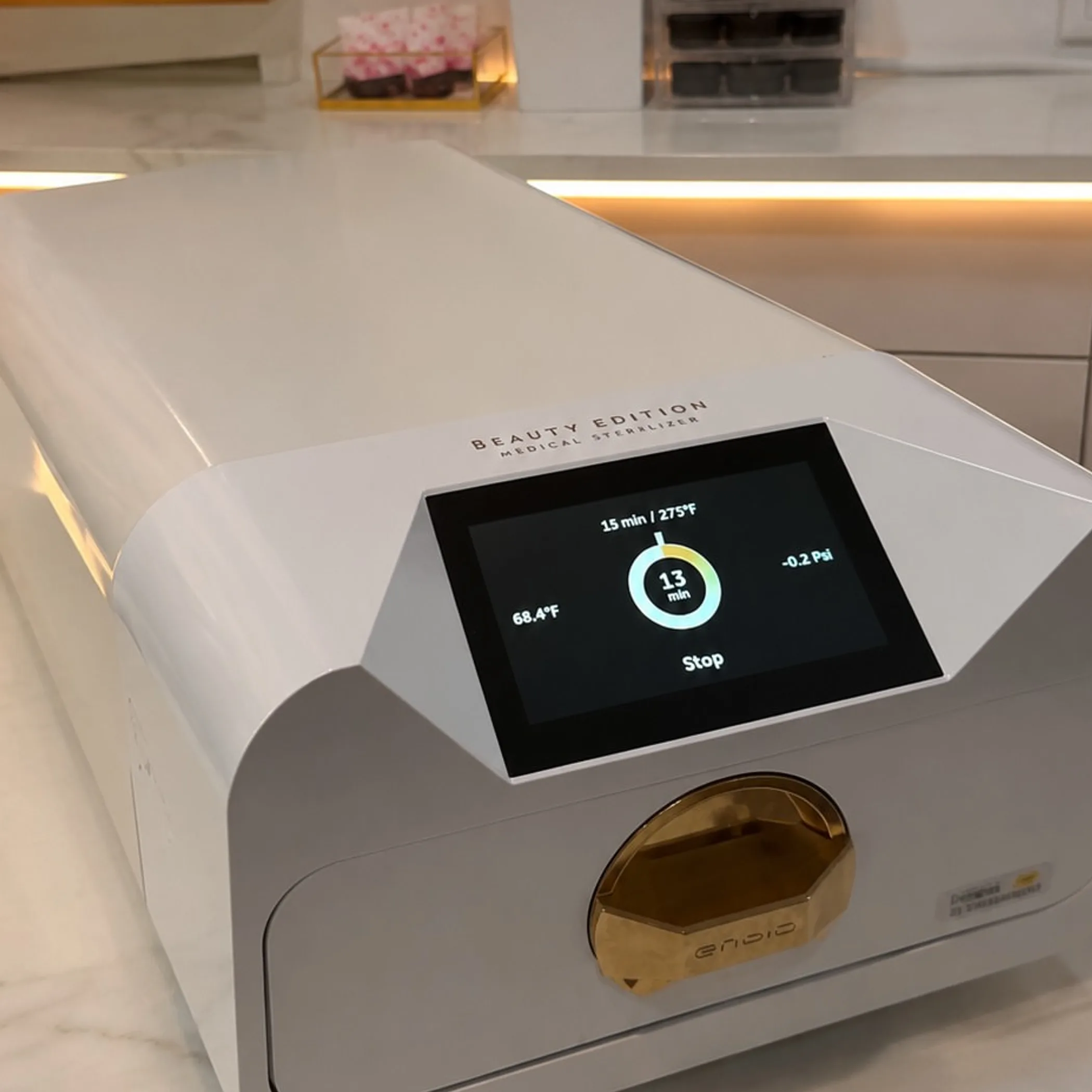
A mug’s game to think one-size-fits-all hygiene will work given the different hazards presented by different treatments. Salons have to tailor their procedures to the service at hand, particularly with razors, facial tools, waxing gear, anything brought near the eyes or broken skin, and feet.
Oscar Hargreaves would refer to it as the “damp clothes behind a windbreak” problem: the part you are loath to think about is invariably the source of trouble.
Pedicure Basins And Foot Services
Moisture and product residue can accumulate in a pedicure basin in ways the client is not privy to, so sanitation here is to be taken strictly. The basin, along with its jets, screens and other parts, should be emptied, disinfected and cleaned per the manufacturer between clients.
Be circumspect with foot files, separators and the like. Should a tool be too hard to properly disinfect, a single-use one is the prudent course.
Razors, Clippers, And Brushes
With razors and the like there is more risk of nicks to the skin. Single-use blades are never to be put back in circulation and the handle of a reusable one requires the proper attention after every client.
The same goes for combs and brushes. Disinfection is only as good as the debris removal that precedes it; oils, hair and skin cells will otherwise render it ineffective. A brush full of yesterday is hardly a professional instrument.
Waxing, Facials, And Makeup
Beauty services have their classic blunders, such as double-dipping. Use a single-use applicator for wax and see that cream pots and palettes are not contaminated.
Spatulas, pump dispensers and disinfected surfaces will forestall cross-contamination with facials and makeup. Testers and shared cosmetics are open to contamination if handled without care.
Waste, Laundry, And The Premises
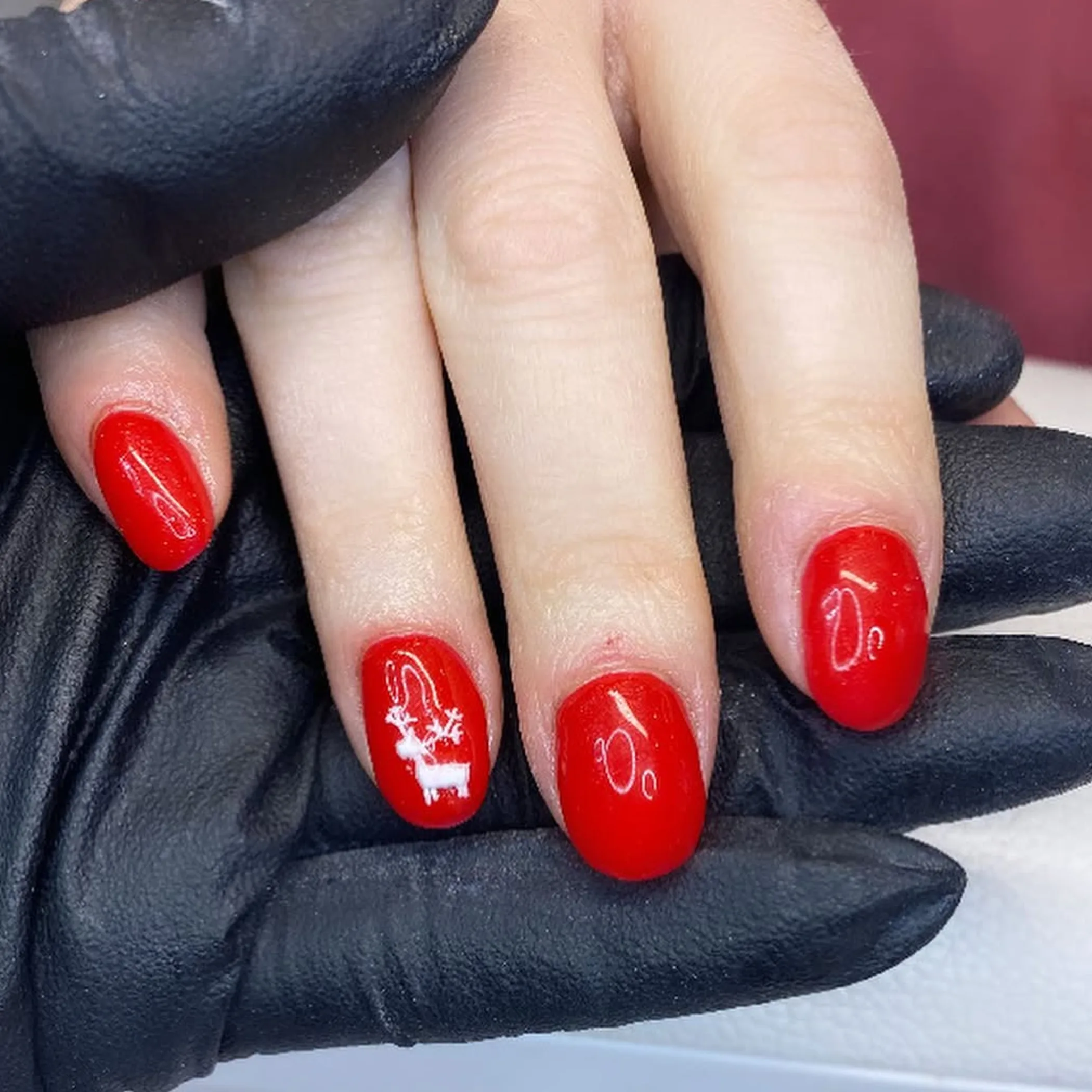
What is the point of clean tools if waste is left to overflow by the treatment room? An environment that allows dust, odours or microbes to get a foothold is no good. Environmental hygiene may not be glamorous but many a preventable risk is found in the break room, the back-of-house storage, the bins and toilets. It can all negate the good work at the chair.
Handling Waste Properly
Separate your general, contaminated and sharps waste as the service and locality dictate. Sharps containers should be of puncture-resistant make, in the right place and not overfilled. Used gloves and wipes, or materials with blood or bodily fluids on them, fall under salon waste disposal. And should an incident arise, staff should have a written process to follow, not be left to guess in a panic.
Laundry And Shared Spaces
Dirty linen is not to be allowed to mix with the clean stock, even for a minute; “just for a minute” tends to become the norm. Towels, blankets and headbands are to be changed and put away dry.
Then there are the dunnies. A client will form an opinion of the whole place from the reception desk, payment area and bathroom. Neglect those and they will conclude the standards in the treatment room are in question.
Quick Hygiene Task Planner
When the phone will not stop and the day is on, a thorough checklist is what will see to it that standards are kept. Standards of hygiene are to be upheld by way of tasks that are put in place, recorded and given a time so there is no ambiguity as to what is done and by whom.
For a workable model see the table below. Make of it what you will to accommodate your layout, services and any local regulations; just do not let tasks remain as good intentions without substance.
| Task Area | When | What To Do | Main Risk Reduced |
| Hands And PPE | Before and after each client | Change gloves if called for, replace disposable PPE, wash or sanitise hands | Cross-contamination |
| Tools And Implements | In between clients | Disinfect or sterilize as the item dictates after removing any visible debris | Infection transmission |
| Treatment Chair And Bench | Between clients | All surfaces come into contact must be wiped, cleaned and disinfected | Surface contamination |
| Pedicure Basin | End of day and between clients | Drain and flush parts per instruction, clean and disinfect | Microbial build-up |
| Linen | Every time it is used | Take off and bag separately for washing and drying, put out fresh stock | Skin and contact spread |
| Bins And Waste | Daily, or when necessary | Put away safely, put in new liners, make sure the sharps container is not over full | Exposure and odour |
| Floors, Toilets, Reception | Daily | High-touch and public areas require cleaning and disinfecting | General sanitation failures |
| Deep Clean And Stock Check | Weekly | Compliance records, filters, vents, storage and product expiry dates should be reviewed | System drift |
Who Needs Extra Caution
There are clients who call for a more circumspect approach. Staff would do well to give them their due attention in order to maintain standards of hygiene, particularly where one sees a cut or infection, diabetes, an immunity issue, a skin condition or post-surgery status that could heighten vulnerability or mean the service has to be put off.
A salon with sense will know how to adapt, when to go ahead and when to put a kind but firm stop to it. Not every person is suited to every treatment on any given day.
If You Only Fix One Thing
Make it the reset procedures from one client to the next. The sequence of hand, tool, surface and linen is where the most immediate gains are to be had in maintaining standards of hygiene since they are the usual points of transfer. It may not be exciting but then again, picking the safest way back from the bush before you drive in is very smart.
Final Word From Oscar
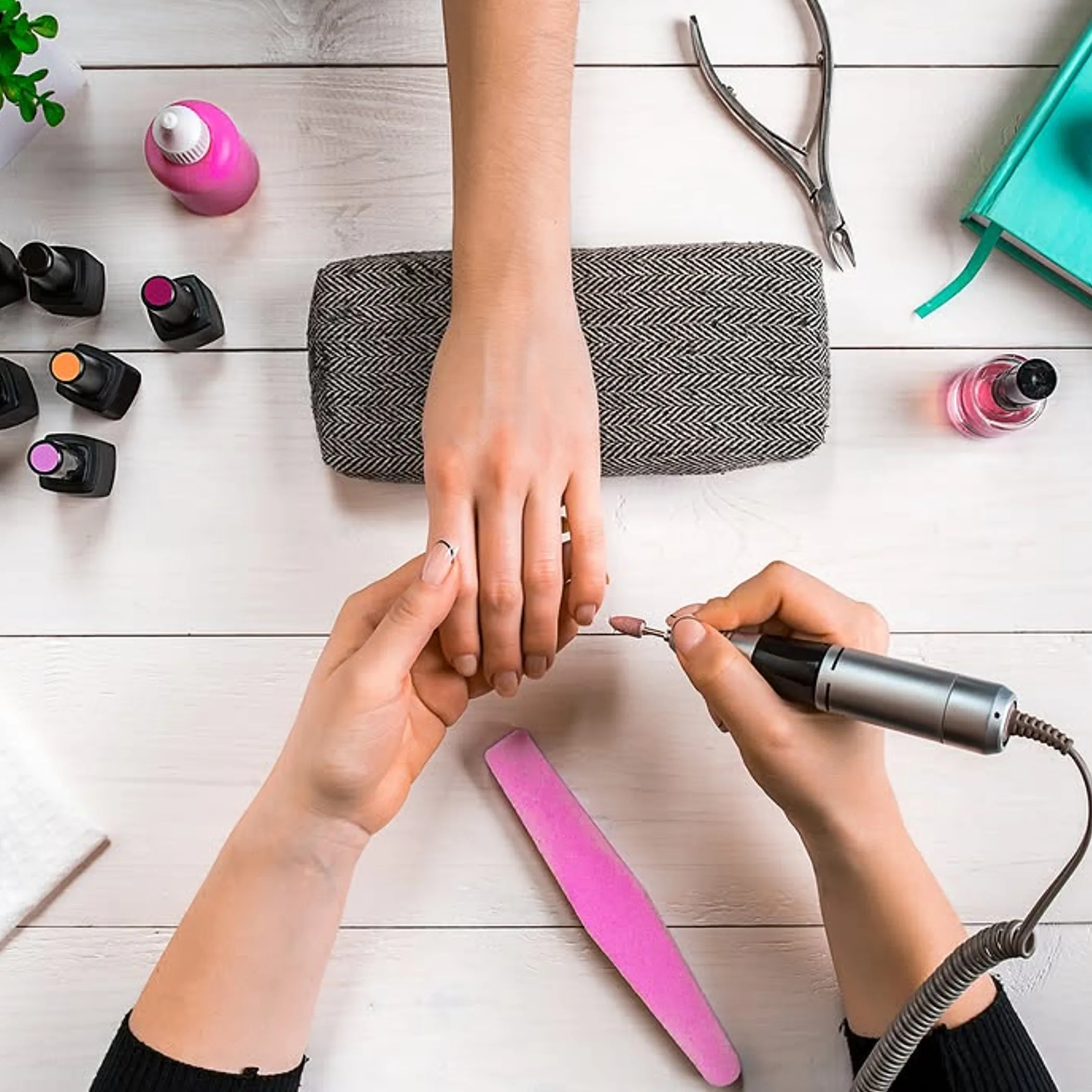
You could say this is not as glamorous as a set of new nails or some balayage and he would be right. Oscar Hargreaves will tell you that to maintain standards of hygiene is not the flashy side of the business. It is what gives it credibility and makes it safe.
Think of it like a well-organised day trip: the checklist is what makes the day a success even if nobody is looking at it. In a salon it is the reason the business is run properly and the staff and clients have your confidence. If you want to review our foundational updates and key takeaways from recent months, see Nine notes on australia travel journeys from this year.
Frequently Asked Questions
One can understand why these questions get asked. For staff and owners alike, and the odd inquisitive client, the basics have to be plain to see so as to maintain standards of hygiene and show what good practice is.
Why Is It Important To Maintain Standards Of Hygiene?
To reduce avoidable harm and engender trust. It is a matter of compliance with public health and workplace norms, of protecting the client and the staff from cross-contamination and infection.
What Is The Primary Purpose Of Maintaining High Standards Of Hygiene And Sanitation In The Salon Quizlet?
Client protection and to head off infection. Put simply, to maintain standards of hygiene is to ensure bacteria, fungi, viruses and other contaminants do not find their way through your tools, hands, linen or waste.
Why Is Personal Hygiene Important In Beauty Care Services?
Because in beauty care one is in close quarters with hair, nails and skin, and the occasional break in the skin. Good management of illness, a fresh uniform, covered cuts and clean hands go a long way to mitigate contamination risks and thus maintain standards of hygiene.
How To Maintain Personal Hygiene In A Salon?
By making it part of the routine and not something optional. That means short and clean nails, clean attire, use of PPE where needed, tending to wounds and not coming to work infectious. Wash or sanitise hands at frequent intervals.
Does A Clean-Looking Salon Always Mean It Is Safe?
Not necessarily. A spotless appearance can mask poor infection control if the cleaning is haphazard, products are not up to scratch, tools have not been disinfected or linen is being put to re-use. Proper systems have to underpin the look of things to maintain standards of hygiene.
